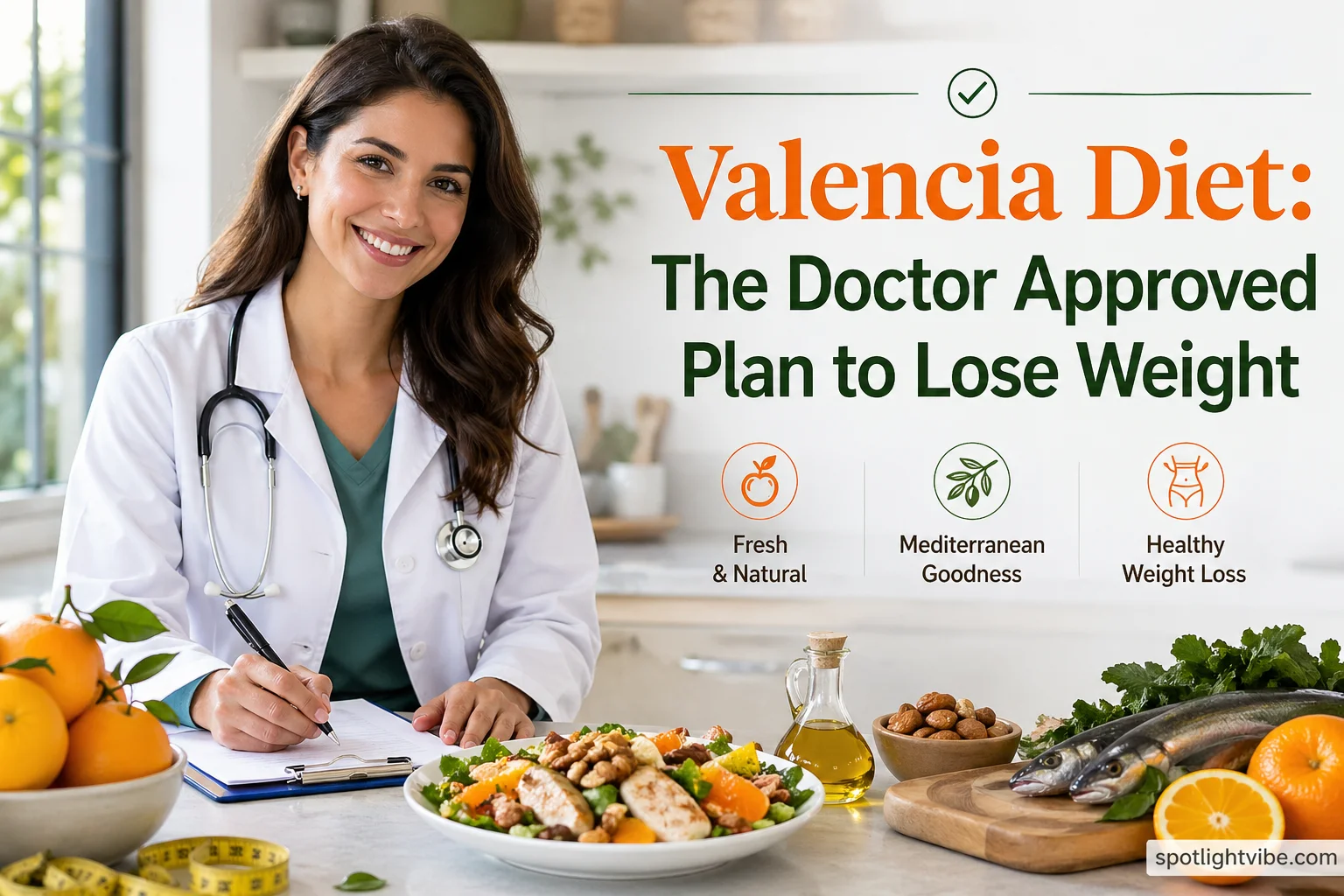
If you have been scrolling through TikTok lately, you have probably seen colorful plates piled high with fruits, vegetables, and protein-packed foods. That is the Valencia diet in action. Created by a real doctor and backed by solid nutrition principles, this trending eating plan has helped thousands of people lose weight and feel better without giving up entire food groups.
In this guide, you will learn exactly what the Valencia diet is, how it works, what to eat, and whether it is worth trying.
What Is the Valencia Diet?
The Valencia Diet is a structured, whole-food-based approach to nutrition that Dr. Valencia crafted to address what he sees as common shortcomings in modern eating: over-processed foods, excess sugar, and the underconsumption of protein and fiber. At its core, the diet combines Mediterranean dietary principles with specific macro targets and behavioral tools.
The goal is not a quick fix. This diet promotes sustainable and healthy eating habits while incorporating elements of intermittent fasting and plant-based nutrition.
Think of it as a structured lifestyle, not a punishment.
The 5 Core Principles of the Valencia Diet
Here is what the Valencia diet is built on, broken down simply:
1. Whole, Unprocessed Foods First
The Valencia Diet is all about consuming whole, minimally processed foods. Think fresh fruits and vegetables, whole grains, legumes, nuts, and seeds. By prioritizing these nutrient-dense options, the diet ensures the body receives essential vitamins, minerals, and antioxidants while reducing the intake of harmful additives, sugars, and unhealthy fats found in processed foods.
2. Plant-Based Protein Over Meat
Dr. Valencia suggests that for breakfast and dinner, you should also incorporate non-meat protein, like eggs, Greek yogurt, or tofu.
The diet does not completely ban meat, but it pushes you toward cleaner protein sources. This shift alone can make a noticeable difference in how you feel day to day.
3. Around 1,500 Calories Per Day
The roughly 1,500 calorie daily target creates a moderate deficit for most adults. For perspective, the average American consumes around 2,000-2,500 calories daily, so 1,500 creates a 500-1,000 calorie deficit for most people, translating to roughly 1-2 pounds of weight loss per week. The key is that these 1,500 calories come from nutrient-dense, high-satiety foods rather than calorie-dense, low-nutrient options.
4. High Protein Intake
Dr. Valencia suggests consuming approximately 1 gram of protein per pound of ideal body weight to maintain muscle mass while keeping total caloric intake around 1,500 calories per day.
This is one of the most science-supported parts of the plan. Higher protein keeps you full, preserves muscle while you lose fat, and boosts your metabolism slightly.
5. Overnight Fasting of 12 Hours
A fasting period of at least 12 hours daily is recommended to support metabolic health and improve digestion.
This is not extreme fasting. If you finish dinner at 7 PM and eat breakfast at 7 AM, you have already done it without even trying.
What to Eat on the Valencia Diet
Here is a practical breakdown of what goes on your plate each day:
Breakfast: Three servings of fruit plus one non-meat protein. Think a bowl of mixed berries with Greek yogurt, or a veggie-heavy egg white omelet with a side of sliced melon.
Lunch: This is the most flexible meal. Add a source of whole-food carbohydrates here, such as quinoa, lentils, brown rice, or whole grain bread. Pair it with vegetables and a protein source like baked salmon or tofu.
Dinner: Similar to breakfast, focus on fruits, vegetables, and non-meat protein. Keep grains light or skip them in the evening.
Snacks: A handful of unsalted nuts or seeds makes for a healthy snack. Legumes, beans, lentils, and chickpeas are great for adding protein and fiber to salads, soups, and stews. Whole fruits are better than juices for the full fiber benefit.
Cheat Meals: Valencia advises incorporating four cheat meals into your diet each week. This flexibility is actually one of the smartest parts of the plan. It removes the all-or-nothing thinking that causes most diets to fail.
What to Avoid on the Valencia Diet
Processed and red meats like bacon, sausages, and processed deli meats are high in saturated fats and sodium. High-fat dairy products add excess saturated fat. Trans fats, often found in fried foods, baked goods, and some margarine, can increase the risk of heart disease. Sugary beverages like soda, fruit drinks, and sweetened teas can significantly increase sugar intake. Fast food and takeout options are often high in calories, fats, and sodium, and can derail healthy eating efforts.
The rule of thumb is simple: if it comes in a bag or a box with more than five ingredients, think twice before eating it.
Health Benefits of the Valencia Diet
Weight Loss
Since the Valencia diet emphasizes more of a change in the types of food we eat rather than restricting food or calories, it is more balanced and sustainable than some other popular diets. It is always better to add in more variety to our foods than to restrict food groups.
Heart Health
The Valencia Diet is rich in heart-healthy ingredients such as extra virgin olive oil, nuts, seeds, and fresh produce. These foods are high in unsaturated fats and antioxidants, which help reduce LDL cholesterol and increase HDL cholesterol. The inclusion of plant-based proteins and the reduction of processed foods also lower the risk of heart disease.
Better Gut Health
The Valencia Diet’s focus on fiber-rich foods like legumes, vegetables, and whole grains supports a healthy gut microbiome. Fiber acts as a prebiotic, nourishing beneficial gut bacteria and promoting better digestion. A healthy gut microbiome is essential for nutrient absorption, immune function, and even mental health, as it influences the production of serotonin, a neurotransmitter that regulates mood.
Reduced Inflammation
Chronic inflammation has been linked to several health issues, including heart disease, diabetes, and autoimmune disorders. The Valencia Diet combats inflammation through its emphasis on anti-inflammatory foods such as leafy greens, berries, olive oil, and nuts. These foods are rich in polyphenols, omega-3 fatty acids, and other bioactive compounds that help reduce markers of inflammation in the body.
Mental Clarity
The inclusion of intermittent fasting may also boost mental clarity and focus, as studies suggest that fasting triggers the release of brain-derived neurotrophic factor (BDNF), a protein linked to improved cognitive function.
Valencia Diet vs. Mediterranean Diet: Key Differences
Many people confuse the two because they look similar on the surface. Here is how they differ:
The Mediterranean diet recommends whole grains at every meal, while the Valencia Diet limits grains to lunch and dinner. Both diets are naturally lower in carbohydrates, relying on lots of fruits and vegetables to fill your plate. Both are restrictive about the types of proteins to consume, but both recommend fish, lean proteins, and limited amounts of meat overall.
The biggest practical difference is structure. Where the Valencia Diet differs from traditional Mediterranean eating is in its structure and specificity. Rather than a general “eat more plants and olive oil” approach, it provides concrete targets: specific calorie goals, protein requirements, meal timing guidelines, and portion frameworks. This structure can be helpful for people who struggle with the ambiguity of more flexible eating patterns.
If you have tried the Mediterranean diet but found it too vague to follow consistently, the Valencia diet may work better for you simply because it tells you exactly what to do.
Is the Valencia Diet Right for You?
The Valencia diet works best for people who want clear rules without harsh restrictions. It is a good fit if you want to eat more whole foods and fewer processed ones, you are open to reducing red meat but do not want to go fully vegan, you can manage a moderate calorie target without obsessing over numbers, and you want a plan with built-in flexibility through cheat meals.
It may not be ideal if you have diabetes, are pregnant, or are recovering from an eating disorder. Intermittent fasting may not be suitable for everyone. People with specific health conditions, such as diabetes, or those who are pregnant, breastfeeding, or recovering from disordered eating should approach fasting with caution and consult a healthcare professional.
One important thing to watch: meat products are full of essential nutrients like B12, iron, and magnesium. We tend not to be able to get as much of these things on a truly plant-based diet. Consider speaking with a registered dietitian to make sure you are covering your nutritional bases.
Practical Tips for Starting the Valencia Diet
These small adjustments make a big difference when you are just getting started:
Prep your proteins in advance. Hard-boil a batch of eggs, cook a pot of lentils, or prep Greek yogurt portions at the start of the week. This removes the temptation to grab something processed when you are hungry and in a hurry.
Build your plate visually. Half your plate goes to fruits and vegetables, one quarter to protein, and one quarter to whole grains at lunch. This simple visual works without counting calories obsessively.
Plan your cheat meals around your social life. Going out for dinner on Friday? That is your cheat meal. Knowing it is built into your week removes guilt and keeps you consistent the rest of the time.
Add variety with spices. There are plenty of ways to make delicious meals from whole fruits, vegetables, and grains. Get creative with seasonings and flavors to keep things interesting.
Do not skip movement. Followers of the plan are encouraged to incorporate 20-minute walks or workouts into their daily routine. Even a short daily walk supports the results you are working toward.
Conclusion: Should You Try the Valencia Diet?
The Valencia diet is not a magic solution, but it is a sensible one. It asks you to eat more whole foods, less processed junk, adequate protein, and gives you flexibility through cheat meals. That is a combination most nutrition experts would stand behind.
If you have been stuck in a cycle of extreme diets that work for two weeks and then fall apart, this more balanced approach might be exactly what you need.
Start simple: clean up your next three meals using these principles. Swap a processed snack for a handful of nuts and some fruit. Add a plant-based protein to dinner. Drink more water. Small changes, done consistently, produce real results.
Ready to give the Valencia diet a try? Talk to your doctor or a registered dietitian, write out a simple meal plan for your first week, and take it one meal at a time.
Frequently Asked Questions
How much weight can you lose on the Valencia diet?
Most people following the 1,500-calorie target can expect to lose roughly 1 to 2 pounds per week, depending on their starting weight and activity level.
Can you eat meat on the Valencia diet?
Meat is not strictly banned, but the diet strongly favors plant-based proteins like eggs, Greek yogurt, tofu, lentils, and cottage cheese over red or processed meats.
Is the Valencia diet safe for diabetics?
For diabetics, Dr. Valencia recommends consuming more protein and low-glycemic fruits and vegetables rather than following the standard plan. Always consult your doctor before starting.
What is the 12-hour fasting window on the Valencia diet?
It simply means leaving 12 hours between your last meal at night and your first meal the next morning, for example, finishing dinner at 8 PM and eating breakfast at 8 AM.
Is the Valencia diet the same as the Mediterranean diet?
They share many principles, but the Valencia diet is more structured, with specific calorie and protein targets, and limits grains to lunch and dinner only.
Does the Valencia diet allow snacks?
Yes. Nuts, seeds, fruit, and vegetable sticks with hummus are all great options between meals.
About the Author